Studio
The slow rhythm
“The study of history and the sciences is the first step in exploring the world, in order to create an artistic language. I believe in curiosity, in that particular gaze that creates poetry, extends thought, and can make each person’s consciousness a space of freedom.
Painting is my primary medium, the one with which I create my pictorial language and meaning. Although painting is thousands of years old, I consider it contemporary, because technique evolves, and it is always possible to be innovative, to exploit the material in new ways in relation to the meaning contained.
What’s more — and to my mind this is of paramount importance — in the digital age, where AI will soon be disseminated in every sphere of our lives, the creation of the painted work is still in human hands, where time follows the slow rhythm of the seasons.
Having hesitated for a time between becoming a war reporter and a painter, I chose, when the choice of a future was definitive, to paint in France and to photograph almost exclusively outside the studio — to travel around cities and countries and bring back views of those journeys. Thousands of photographs were taken on the road, alongside the painting, like a voyage of initiation into the world.”
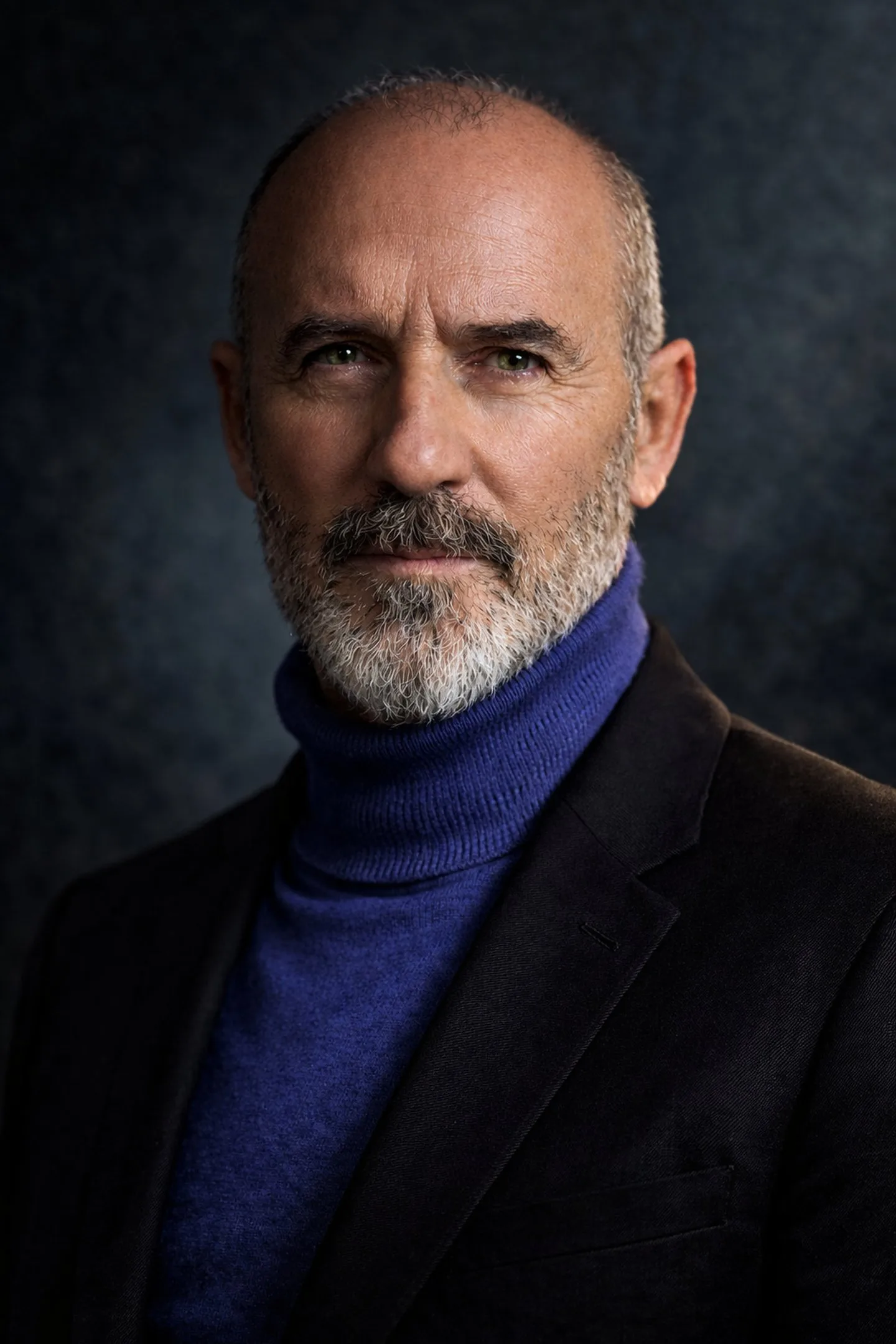
Studio
“I work on commission and I am always looking for new projects.”
In the studio
2007 – 2014
Performances
Butoh dancers, a trumpet, and Wagner’s Funeral March revisited.
Begun in Paris with the Japanese Butoh dancers Maki Watanabe and Gyohei Zatsu, the performances have also been developed in a theatre, on the streets of New York, and in exhibition venues.
With Mathieu Esterni, a trumpet player, the artist staged the Farglivert (Frozen Tears) exhibition, about the German concentration camps of the Second World War. At the artist’s request, the musician revisited Wagner’s Funeral March. The performances remain a space for experimentation and sharing that the artist wishes to pursue.